7 Reasons Why People Fail at Affiliate Marketing and How to Avoid Them

Introduction: Why Affiliate Marketing?
Reason 1: Choosing the Wrong Niche
Reason 2: Not Understanding Your Customer's Needs
Reason 3: Not Building Trust with Your Audience
Reason 4: Not Building an Email List
Reason 5: Not Focusing on Content Quality
Reason 6: Giving Up Too Soon
Reason 7: Not Having a Solid Marketing Strategy
Conclusion

Affiliate marketing is a long-term game, and many quit just before they start to see results. It’s easy to feel discouraged when you’re not seeing immediate rewards, but remember that success often comes after several failures and adjustments.
How to avoid this mistake: Stay persistent. Stay focused. Track your progress, learn from what doesn’t work, keep refining your strategy, and scale only what is working. Celebrate small wins to stay motivated. Don’t hesitate to join affiliate marketing communities for support and inspiration.
Affiliate marketing has become one of the most popular ways to make money online. It promises the flexibility to work from anywhere and the potential for multiple passive income streams. Sounds like a dream come true, right? Yet, many people, including myself, find themselves struggling to get the results they had hoped for.
In this article, we’ll dive into the seven most common reasons why people fail at affiliate marketing and, more importantly, how to avoid them. If you’re looking to succeed at affiliate marketing, these insights could help you to jump-start your affiliate marketing journey
Selecting the right niche is one of the most crucial steps in affiliate marketing. If you pick a niche just because it seems profitable, you might end up struggling. Why? Because if you’re not genuinely interested in the topic, creating content will feel like a chore. If you are using ads to promote your offer, then your wording may not connect with your intended audience. And if the niche is too broad or oversaturated, you’ll face stiff competition from more established marketers.
The best niches are a blend of passion, demand, and profitability. If you have an interest in a particular niche, then you can create content and write ads that use the same language that they do. This will better connect with your target market. This balance allows you to enjoy what you're doing while tapping into an audience that is eager to buy.
How to avoid this mistake: Choose a niche that you are passionate about, has a healthy demand, and offers good affiliate programs. Use tools like Google Trends and Keyword Planner to check interest levels.

Affiliate marketing requires a strategy, not just a hope-and-pray approach. Relying on a single source of traffic is risky. For example, some marketers put all their efforts into social media without building an email list or optimizing their website for organic traffic.
Not having a robust marketing system in place, not having a coherent advertising strategy, and not having a profitable affiliate offer… These are all things that can severely hamper your affiliate campaign.
How to avoid this mistake: Diversify your traffic sources. Use social media, email marketing, SEO, and paid ads to reach a broader audience. Find affiliate offers that offer a suite of products. Create a marketing plan that includes content creation, promotion, and targeted advertising.
Are you tired of feeling stuck, yearning for something more: financial independence, freedom to work on your own terms, the chance to truly live life on your own schedule? That is how I felt. I dreamed of having a passive income so that I could finally focus on my passions and hobbies. Affiliate marketing seemed like the perfect solution, but all of my attempts just left me frustrated. I spent time and money on courses, ads, and campaigns that led nowhere. I felt like a failure, navigating a lonely and confusing road.
Affiliate marketing can be an incredible path to financial freedom… but only if you have the right strategy, guidance, and tools. Mistakes are inevitable, but they don’t have to derail you. Instead, they can become stepping stones to success if you’re willing to learn, refine, and persist.
If you're serious about mastering affiliate marketing and turning your dreams into reality, I’ve got something just for you: a free 3-part video series created by a six-figure affiliate marketing expert.
This is your chance to gain some free insights from someone who’s been exactly where you are and turned it around. Don’t let this opportunity pass you by. Click below to access these videos and take your next step towards the financial independence you’ve been longing for.

One of the most significant reasons why people fail in affiliate marketing is not taking the time to truly understand their audience’s needs. Many marketers focus solely on pushing products, forgetting that successful affiliate marketing is all about offering a solution to a problem. If you don’t know what problems your audience is facing, you’re likely to recommend irrelevant products that won’t resonate with them.
If your content or offer doesn’t address the problem that your audience is suffering from, they won’t be interested in your recommendations, let alone make a purchase. This is why choosing a niche that you already have an interest in can give you a head start, as you will probably already have some insight into what problems your audience is facing.
How to avoid this mistake: Start by researching your target audience. Use online forums, social media, and keyword research tools to identify common questions and concerns within your niche. Imagine your ideal customers, think about their demographics, interests, challenges, and needs. Tailor your content to solve specific problems, offer helpful advice, and suggest products that genuinely address those issues. The more value you provide, the more likely your audience will trust your recommendations.


Trust is everything in affiliate marketing. If your audience doesn’t trust you, they won’t click on your affiliate links, let alone make a purchase. A major mistake is promoting anything and everything just for the sake of earning quick money. This approach can damage your reputation and make your audience sceptical of your future recommendations.
How to avoid this mistake: Focus on building a long-term relationship with your audience. Share genuine experiences, be honest about product pros and cons, and only recommend products you truly believe in. Engage with your followers, respond to their comments, and be consistent in providing value. Understanding your audience’s needs will be invaluable for this.
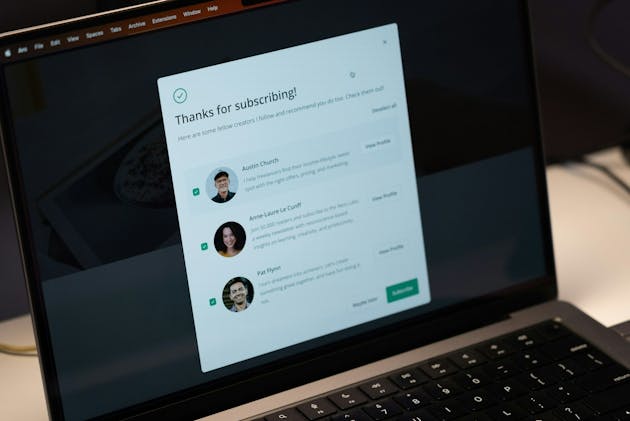
One of the biggest mistakes affiliate marketers make is neglecting to build an email list. An email list is a direct line of communication between you and your audience: a way to engage with them personally, nurture relationships, build trust and drive conversions.
A potential customer may not be ready to buy from you on their first encounter with you… or the second… or even the third.
Failing to build an email list means you’re missing out on a prime opportunity to turn casual visitors into loyal followers and customers. Emails allow you to provide exclusive content, share promotions and offer personalised recommendations that convert better than general content.
How to avoid this mistake: Start collecting emails as soon as possible. Offer them something free: e-books, checklists, or exclusive tips in exchange for their email address. Use pop-up forms, landing pages, and opt-in boxes to encourage sign-ups. Once you have a list, nurture it with regular, valuable emails. Share helpful content, product updates, and targeted offers based on your subscribers’ interests. Email marketing platforms like Aweber, Mailchimp or ActiveCampaign can help you manage your list and automate your email campaigns.

Content is king in affiliate marketing. Too many people treat it as an afterthought. Thin content, clickbait titles and articles stuffed with affiliate links won’t get you far. If your content doesn’t provide real value, readers will quickly move on—and so will your potential earnings.
How to avoid this mistake: Prioritise quality over quantity. Invest time in writing helpful articles, guides, and reviews. Use visuals like images, infographics, and videos to make your content more engaging. Focus on solving problems for your audience rather than just pushing products.
